A Guide to Countertop Edge Profiles
The edge profile of a countertop is one of those small details that quietly shapes the whole feel of a kitchen or bath. It changes how light catches the stone, how the counter feels under your hand, and whether a space reads as modern, traditional, or somewhere in between. Below are the edge profiles we reach for most often at STUDIO RAI, and where each one tends to shine.
Eased Edge
A softly rounded edge with the slightest curve at the top, while the face stays essentially square. It is the most popular, lowest-key choice: clean and contemporary, easy to wipe down, and forgiving of bumps. A safe default for almost any kitchen.
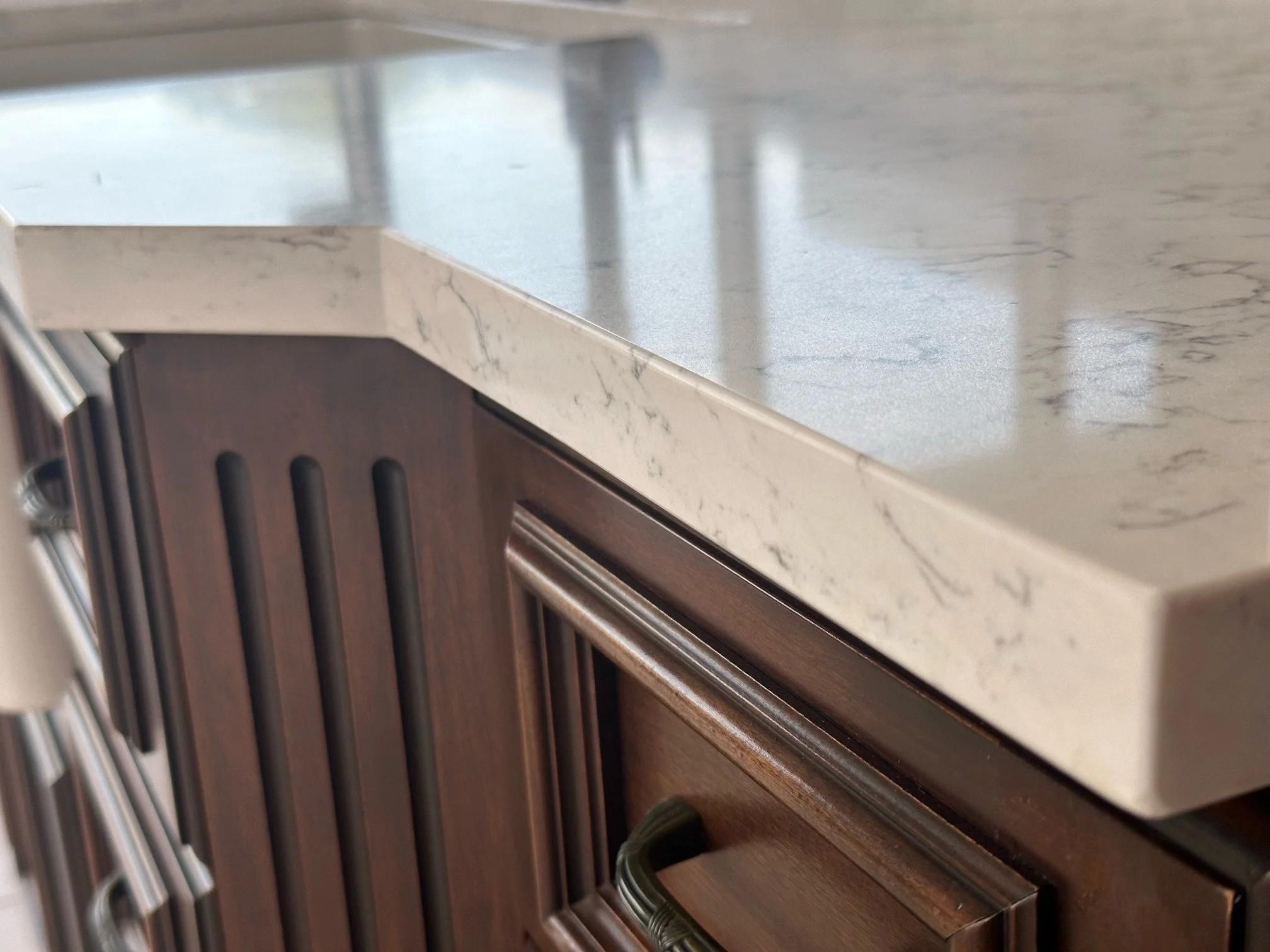
Bullnose Edge
A fully rounded, half-circle edge that curves from top to bottom. It feels soft and seamless, hides chips well, and is especially family-friendly since there are no sharp corners. It reads slightly more traditional or transitional than an eased edge.
Beveled Edge
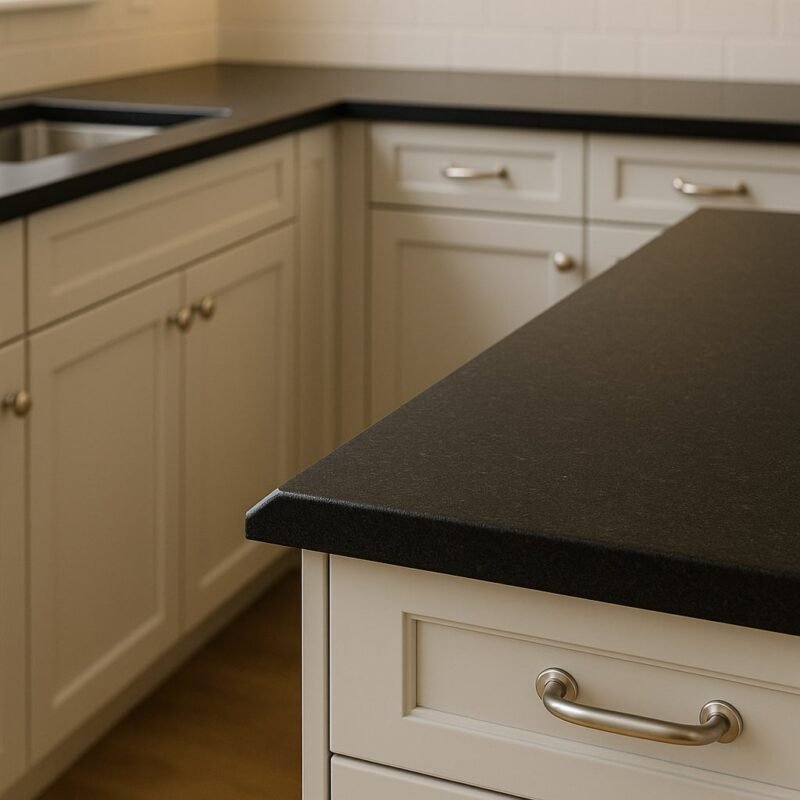
A flat, angled cut across the top corner, usually at 45 degrees, that creates a crisp diagonal facet. It looks tailored and architectural, catches light along the bevel line, and pairs beautifully with both modern and classic cabinetry.
Ogee Edge
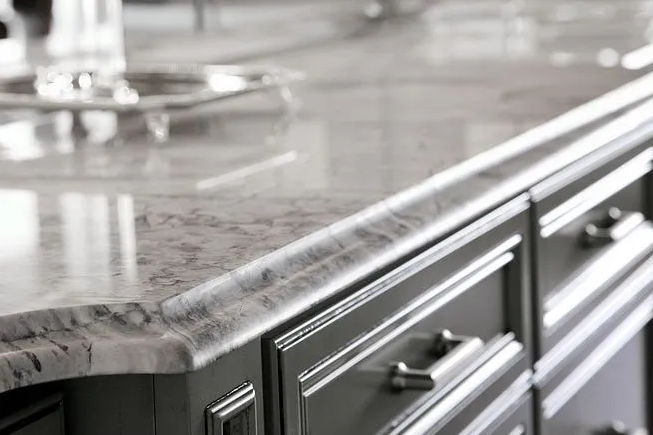
An elegant S-shaped curve that flows from a concave to a convex sweep. This is the most ornate, traditional option, full of shadow and detail. It suits formal kitchens and classic or old-world interiors, though it asks for a little more cleaning in the groove.
Mitered Edge
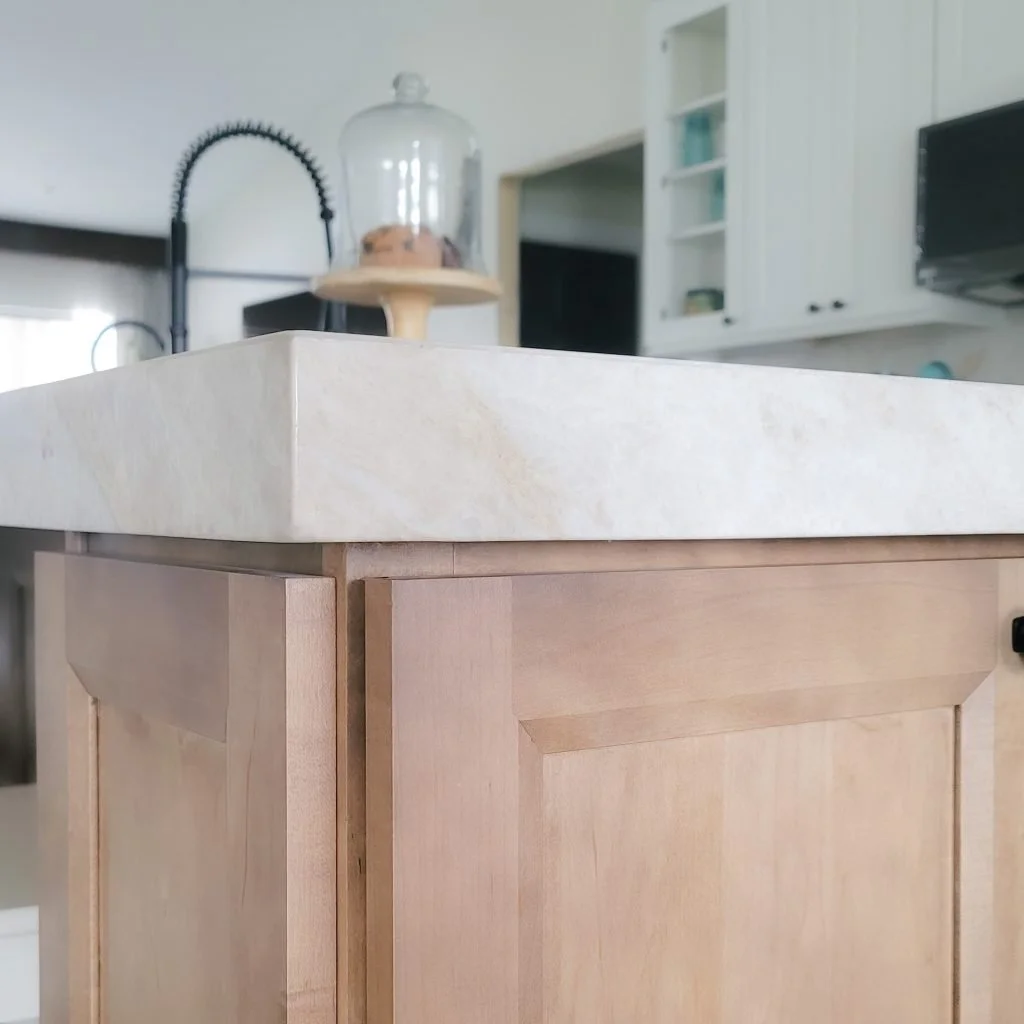
Two pieces of stone joined at a 45-degree angle to make the countertop look thicker than it really is. It creates a bold, substantial slab edge without the weight or cost of solid thick stone, and it is a favorite for modern, minimalist kitchens.
Waterfall Edge
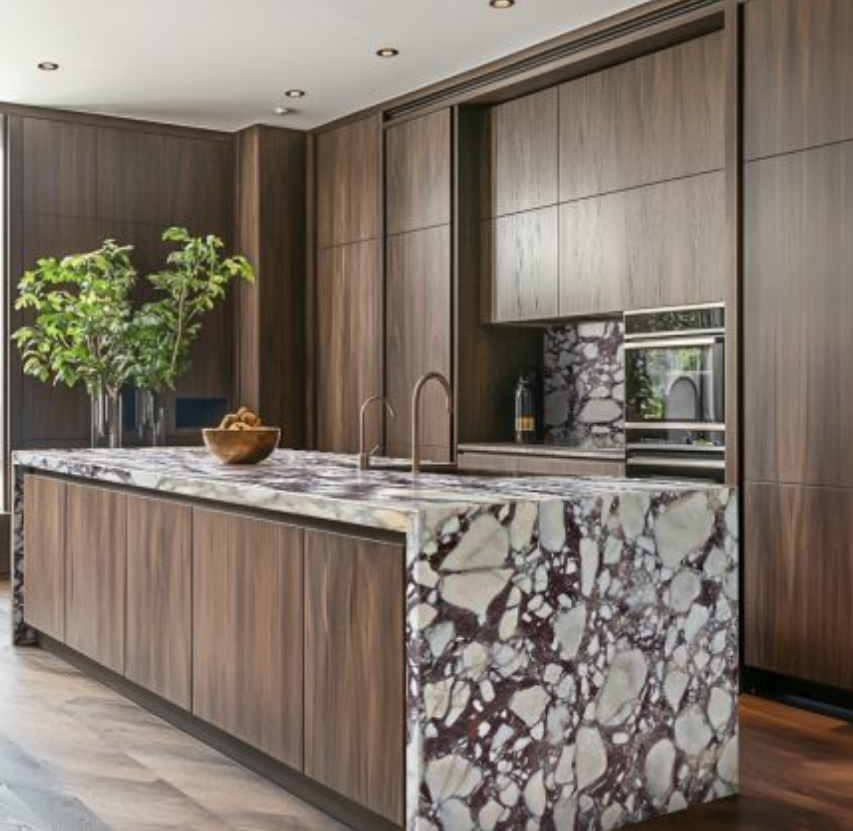
Not an edge profile in the traditional sense, but worth including: the stone runs off the counter and continues vertically down the side of an island to the floor. It is a striking, contemporary statement that showcases dramatic veining and anchors a kitchen island.
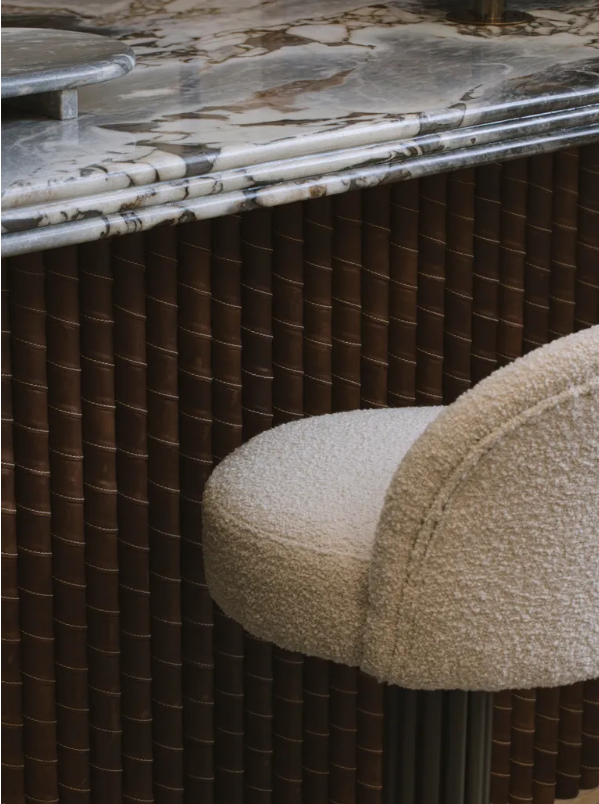
Triple Bullnose Edge
dfhsdgsdfdf
Choosing the Right Edge
As a rule of thumb, simpler profiles like eased, mitered, and waterfall feel modern, while rounded and ogee edges lean traditional. Think about how the counter will be used, who is in the home, and the overall style you are after, then let the edge quietly support it. If you would like help choosing, STUDIO RAI is always happy to weigh in.